Why Do We Give Gifts?
The rustle of wrapping paper. A ribbon slowly coming undone. That brief moment of anticipation before we discover what's hidden beneath the paper. And then a smile, a look of surprise, sometimes even a little wonder.
There's something truly magical about unwrapping gifts. Especially at Christmas, this moment is as much a part of the celebration for many people as candlelight, cherished traditions, and gathering around a beautifully set table. And yet, many of us would probably say that we enjoy giving gifts just as much as receiving them.
But why? Why does choosing something, wrapping it, and giving it to someone else bring us so much joy?
Why Giving Makes Us Happy
The joy of giving often begins long before the gift itself changes hands. From the moment we start looking for something special, we're thinking about another person. What would they like? What might surprise them? Something that feels just right for them?
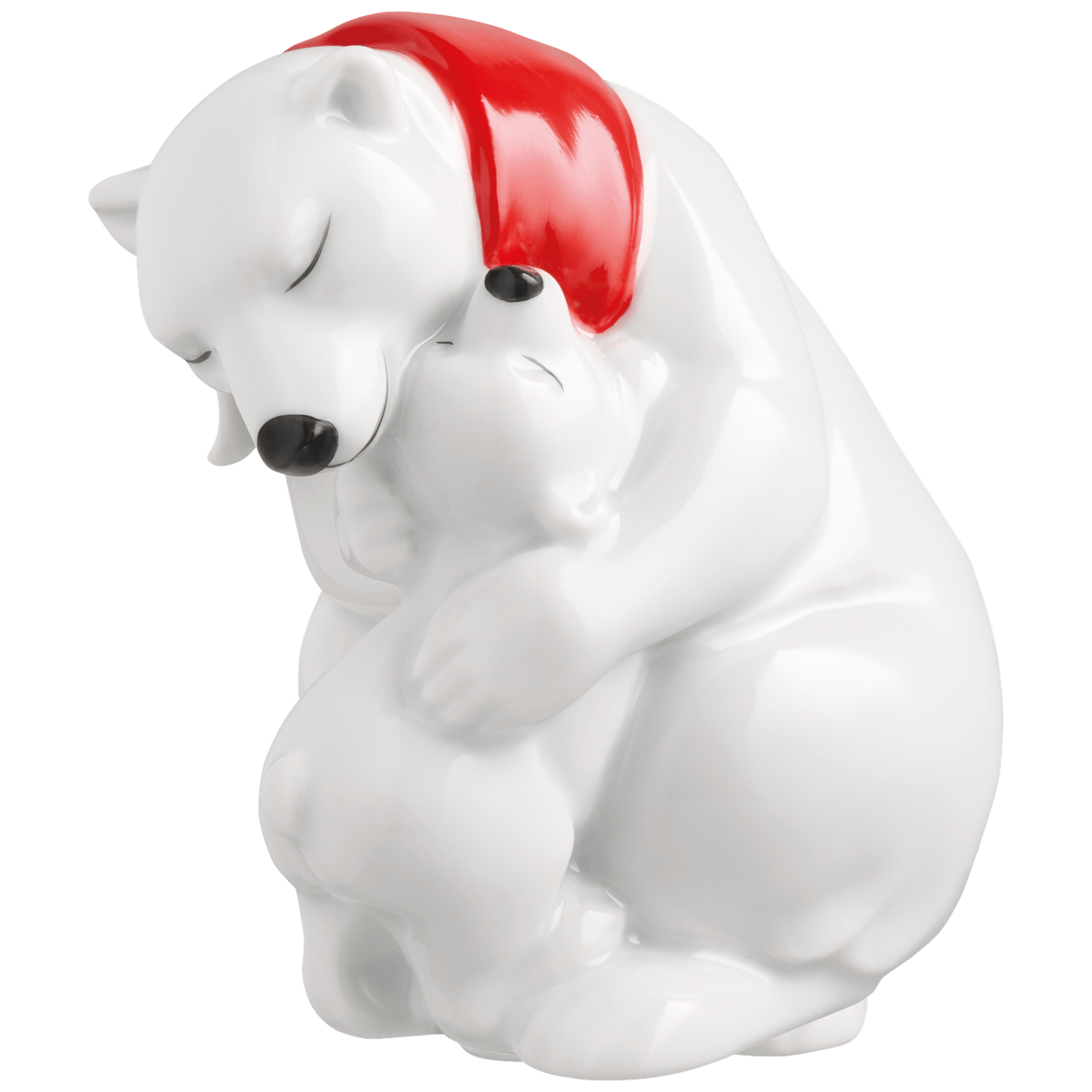
A thoughtful gift takes attention. For a moment, we put ourselves in someone else's shoes and think about what might make them happy. Maybe they've mentioned more than once how much they'd love a beautiful, high-quality Christmas ornament. Maybe they've recently discovered their inner barista and now need a coffee cup worthy of their new skills. Or perhaps they've developed a love for enchanting porcelain animal figurines. It's in these little considerations that much of the magic lies: Giving brings us closer together.
Then there's the anticipation. Days or even weeks in advance, we often find ourselves imagining the moment someone opens our gift. Will they be surprised? Will they love it? Perhaps that's why we look forward to that moment so much ourselves. After all, when we give someone a gift, we're not just waiting to hand something over. We're waiting to see their reaction.
The idea that giving can make the giver happy has even caught the attention of scientists. Psychological studies suggest that spending money on others rather than solely on ourselves can increase our sense of well-being. What seems to matter most isn't the monetary value of the gift, but the feeling of having made someone else happy.


What We're Really Saying with a Gift
Gifts are rarely just objects. They can be a thank-you. A reminder of a special moment. A small gesture of thoughtfulness or a sign of a deep connection. Sometimes, they express something we don't say nearly often enough in everyday life: "I'm thinking of you." "You mean a lot to me." "I know you." "I'm glad you're in my life."
That's why gifts take on a special meaning at Christmas. For many people, the holiday is closely tied to family, friendship, and shared memories. And family doesn't have to mean relatives. It's the people we share our lives with. The ones who stand by us, support us, make us laugh, or simply feel like an essential part of our world.
For these people, we look for Christmas gifts that aren't just any gifts. We want them to feel personal.
And some of these gifts stay with us long after Christmas Eve. The beautiful cup we drink our coffee from every Sunday. The vase we fill with fresh flowers again and again. The porcelain dinnerware that finds its place on the festive table year after year.
Over time, these objects become part of our stories. A gift becomes something familiar, and that familiar object may eventually become a treasured reminder of the moments we've shared.Perhaps that's what makes giving so meaningful: We don't simply give things. We give thoughtfulness, appreciation, and a sense of connection.
And, at its very best, something that lasts.